The 2026 herbal CSA is open for registration and starts in May
TLDR: the herbal CSA consists of six in-person events (about once per month) where members receive an array of locally-produced herbs, an overview of how to use the herbs, and a class about finding, growing, preparing, and using medicinal herbs. Cost is sliding scale $250-550 for all six events, and the CSA takes place Monday evenings in Takoma DC. Read on for details!
Little Red Bird Herbal CSA is a Washington DC-based herbal medicine and education program. The CSA provides locally grown and respectfully wild-harvested herbs, with an emphasis on education about the medicinal plants that grow around us. Led by herbalist Holly Poole-Kavana since 2010, the intentions of the CSA are to create deep connections with plants in our ecosystem and to build our communities’ capacity for healing.
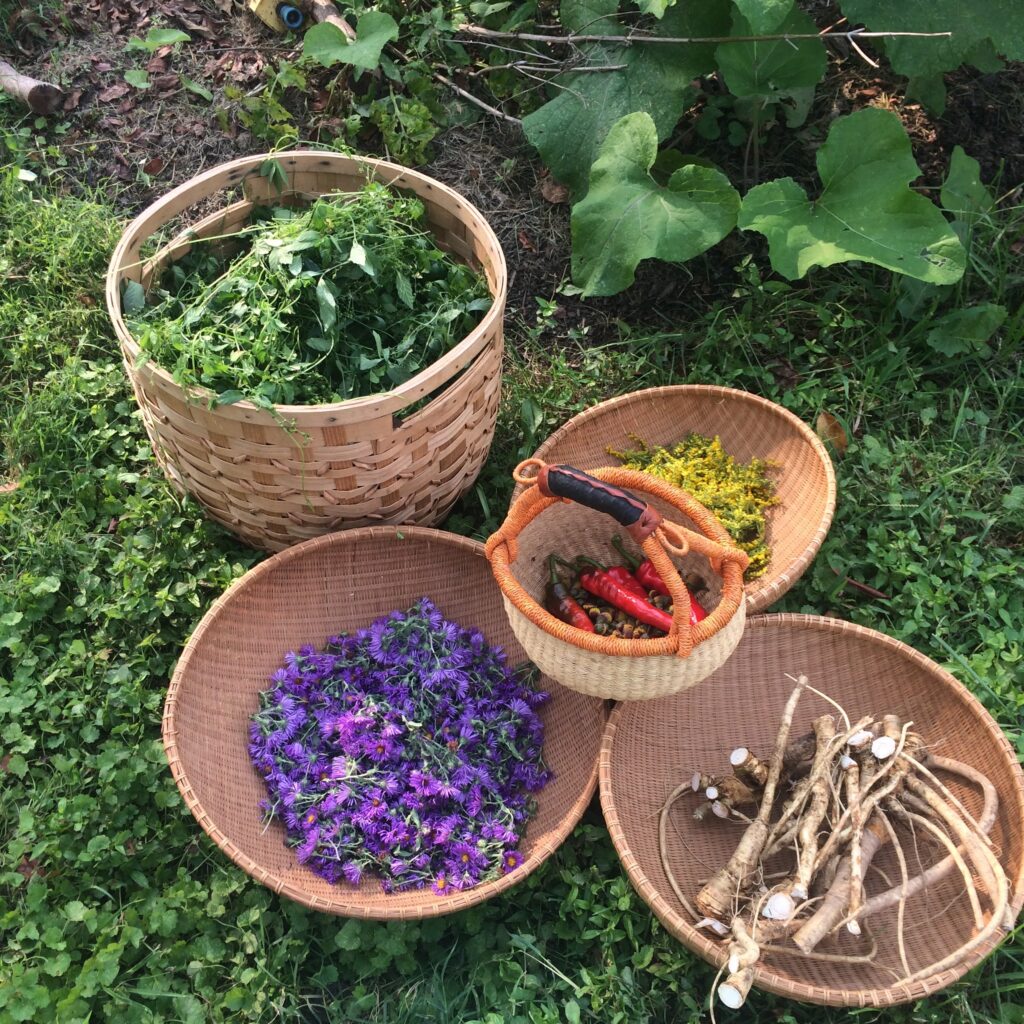
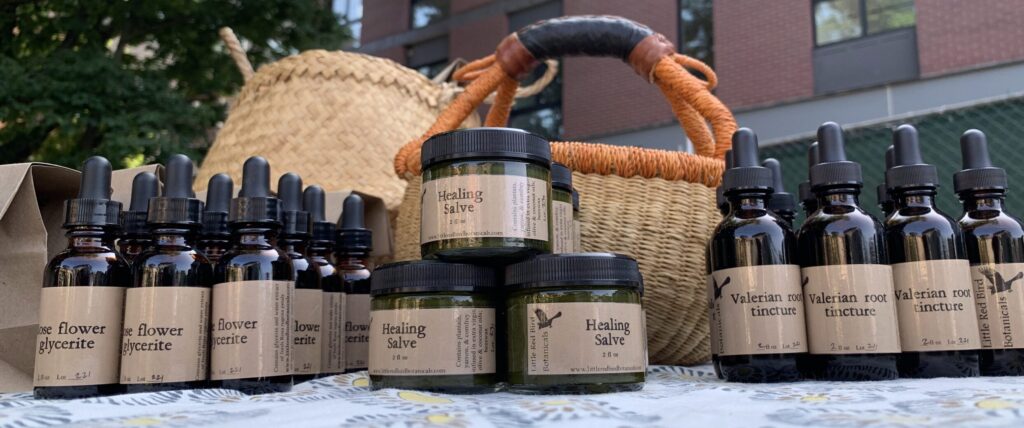
Each month from May through November (excluding August) members receive a package of herbs prepared as tinctures, loose teas, salves, honeys, vinegars, syrups, etc, and information about how to use them. Members pick up their shares at a common location, and each pickup includes an optional plant walk or class to explore identification and uses of common local plants.
The CSA is held monthly on Monday evenings (5:30-7:30) in Takoma DC (very close to the Takoma metro station)
2026 dates and topics:
May 4th: spring medicinal plant walk
June 8th: how to make tinctures
July 20th: growing your own herbs
September 15th: late summer medicinal plant walk
October 5th: how to make infused oils and salves
November 16th: kitchen medicine
Members who are not able to attend an event have several alternate options for getting their herb package
Through this program, herbal CSA members….
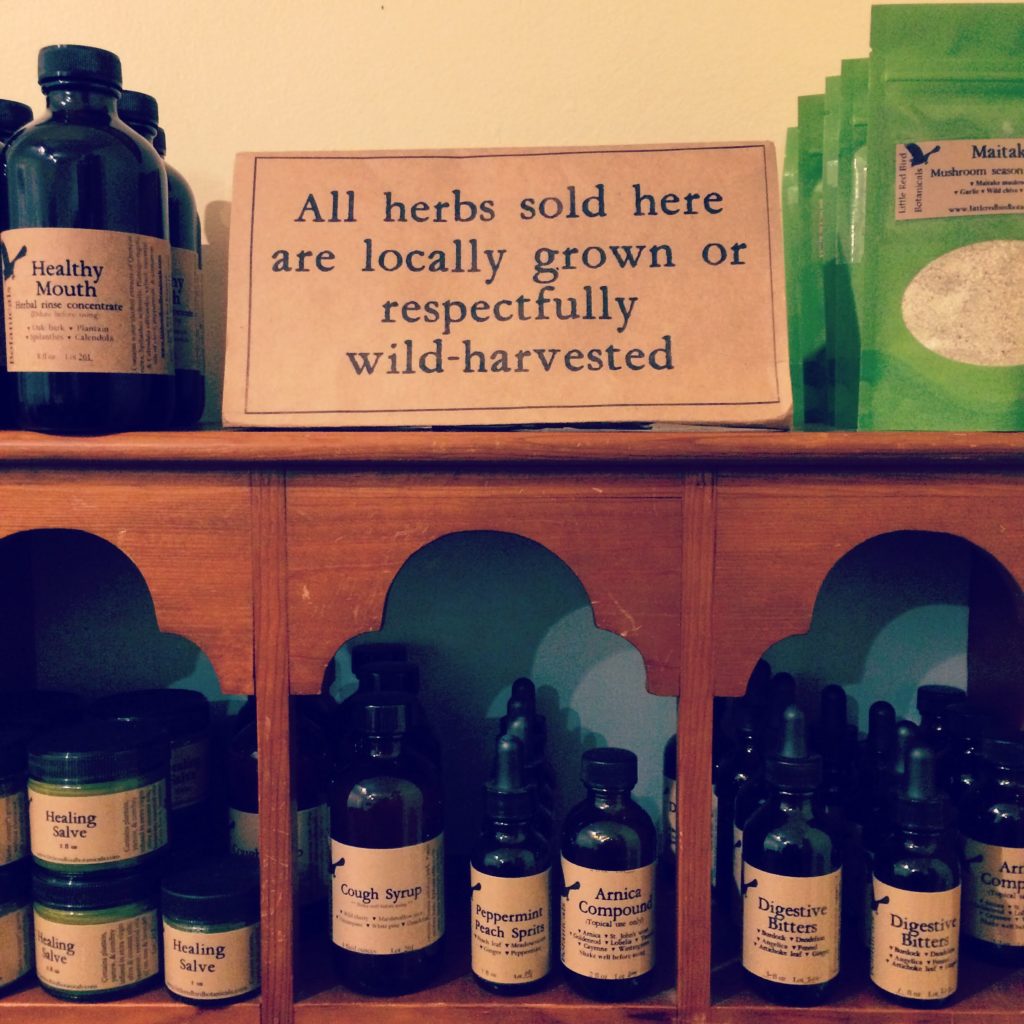
— Receive monthly packages of herbal goodies, including teas, tinctures, salves, syrups, and infused vinegars
— Receive instruction sheets for each remedy and participate in discussion about each month’s package
— Attend an optional class or plant walk each month
— Work on building their home herbal apothecary
— Learn about identifying, harvesting, and preparing local plants
— Learn how to make tinctures, teas, and salves
A typical monthly package includes four of the following:
— One or two ounce extract (tincture, honey, oxymel, or glycerite
— One ounce bag of loose tea
— Two ounce jar of salve
— 12 ounce herbal vinegar
— 4 or 8 ounce herbal syrup
— 2 ounce spice blend
Here’s what prior members are saying:
“Holly’s herbal remedies are an incredible blend of creativity, expertise, and reverence for the plants and their unique gifts. It is clear that her commitment to crafting high-quality medicine comes from a deep love of the natural world, of helping people access the abundance all around us, and of being in reciprocity and right relationship with the land. I am so grateful for the wisdom she has shared and the community she has created!”
“Holly does an excellent job of sharing not only her wonderful products, but also her useful knowledge and deep care for herbalism each month. Part class, part CSA, and the flexibility to make it what you want, all contributed to an excellent experience that I’ve told so many friends about. I am very grateful for the approachable way Holly has set everything up, and now feel so much more prepared to explore herbal remedies on my own.”
“What a wonderful way to learn! I’ve been curious about plants and nature since reading Braiding Sweetgr ass and Holly makes it all so accessible and interesting. I highly recommend the CSA to anyone interested in exploring this subject.”
About the CSA model
The herbal CSA is based on the popular Community Supported Agriculture model in which members buy a share of the year’s harvest at the beginning of the season and receive weekly boxes of in-season produce. First popularized by Booker T. Whatley in 1970s Alabama, this model allows farmers to remain financially sustainable while connecting members to the bounty of seasonal, local food.
Little Red Bird Herbal CSA offers a twist on the CSA model by offering herbal remedies instead of veggies. It’s a great way to build a home supply of herbal medicines, learn more about how to use local plants, and explore new ways of being in control of our own health.
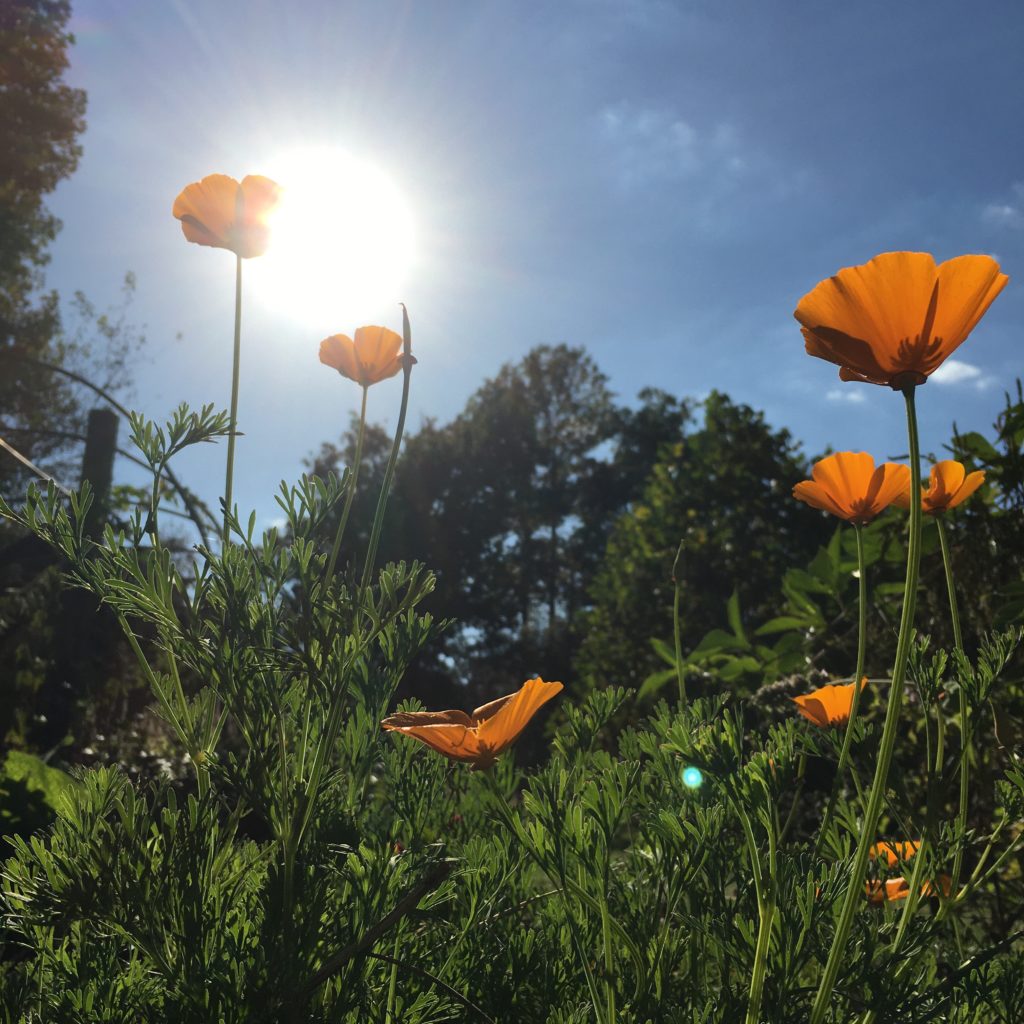
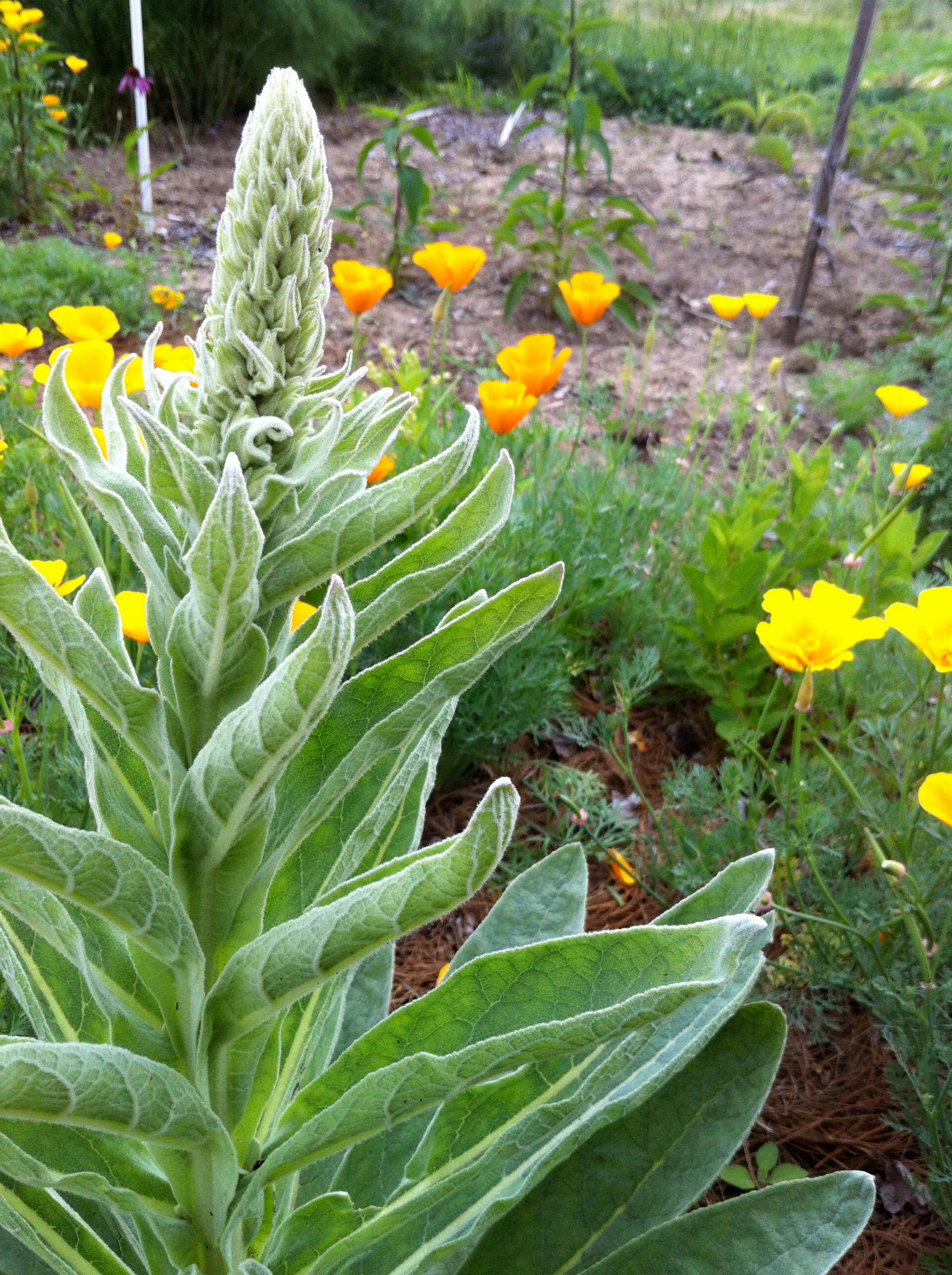
The herbs in the CSA are grown organically in Upper Marlboro, MD or respectfully wild-harvested. The CSA program adheres to strict ethics around wild-harvesting only common weeds; all other plants are cultivated.
Cost:
Membership in the CSA is based on a sliding scale of $250-$550. Sliding scale payment is intended to make the program affordable while also covering the costs and labor of running the CSA. When deciding your position on the sliding scale please consider your income, family size, and your level of privilege around access to resources– for guidelines see the CSA sliding scale page.
I will reserve several memberships for barter arrangements for the following — email me if you are interested!
— Local farm-grown vegetables
— Massage or other bodywork (professional only)
— Accounting / tax preparation (licensed only)
— Voice lessons
— Apothecary cleaning
How to sign up:
To join the 2026 herbal CSA please register here. Please also fill out the information form on the confirmation page, and I’ll be in touch soon!
For more information, if you have any trouble signing up online, or if you prefer to pay in a different way please email littleredbirdbotanicals@gmail.com or call (202) 726 1924